
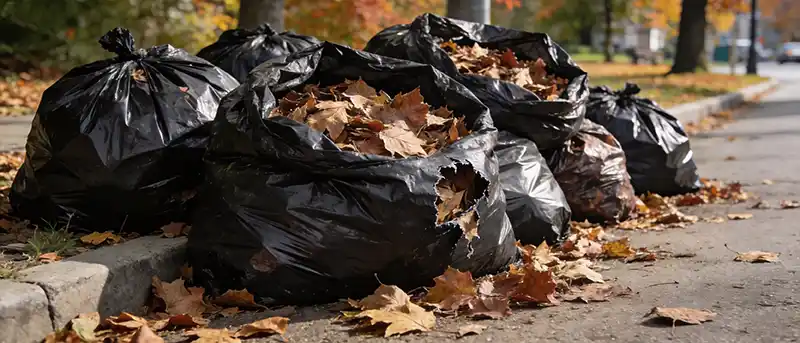
Every autumn, mountains of fallen leaves, grass clippings, and pruning residues create a massive waste stream. For decades, plastic bags were the default container for yard waste collection. But that habit is rapidly changing — and for good reason.
In many regions, single-use plastic bags are now banned from green waste programs. Why? Because even “biodegradable” plastics often fail to break down completely in industrial composting facilities. They contaminate the final compost with microplastics, undermining the entire purpose of organic waste recycling.
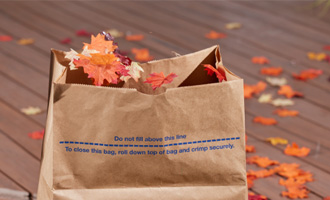
That’s where paper comes back into the picture. Modern paper sacks designed for garden waste offer a genuine compostable solution. They break down within weeks, add carbon fiber to the compost mix, and carry no risk of plastic residue. However, producing these heavy-duty, moisture-resistant paper bags at scale is not as simple as running a standard printing press.
Let’s be honest: ordinary grocery paper bags tear easily when wet. Garden waste is often damp, heavy, and abrasive. Twigs puncture thin paper. Rain or morning dew can turn a full bag into a collapsed mess. So the real challenge is manufacturing paper bags that are:
Strong enough to hold 10–20 kg of wet leaves or soil
Moisture-resistant (without plastic lamination)
Breathable to prevent anaerobic decomposition
Cost-effective for municipal collection programs
According to industry standards (EN 13432 for compostability), paper bags for organic waste must achieve over 90% disintegration within 12 weeks. Many commercial composting facilities also require bags to have a wet-strength additive that does not inhibit biological activity. This technical requirement directly impacts how the bag is formed, glued, and finished.
Producing compliant garden waste bags involves several critical steps. First, you need kraft paper rolls with specific grammage (typically 70–100 gsm for side-gusseted sacks) and wet-strength resin treatment. The paper is then unwound, printed with compostable certification logos, and formed into tubes with bottom sealing.
A key differentiator lies in the bag bottom construction. Standard flat-bottom bags often fail under heavy loads. For yard waste collection, block-bottom or pinch-bottom designs distribute weight evenly and resist bursting. This requires precision folding and glue application systems that maintain consistent adhesion even with recycled or coarse-fiber paper.

Many operators ask: what production speed is realistic for these heavy-duty sacks? Unlike thin grocery bags, garden waste bags run slower — typically 80–120 bags per minute depending on the machine’s forming section and drying tunnel length. Material splices, paper dust, and humidity fluctuations can cause jams if the equipment lacks robust tension control.
From my conversations with packaging plant managers, three errors repeatedly surface:
Underestimating paper dust management – Uncoated kraft paper generates significant dust. Without proper extraction and anti-static bars, sensors fail and glue nozzles clog.
Ignoring glue curing time – Moisture-resistant adhesives need longer setting time. If the folding station compresses too early, bags open at the bottom seam.
Using standard slitter-scorers – Heavy paper requires hardened rotary tools. Standard blades dull within two shifts, creating feathering edges that weaken the bag.
These are not unsolvable problems. But they do mean that repurposing a conventional paper bag line rarely works. You need equipment designed for the unique demands of heavy-gauge, wet-strength materials.
Consider a mid-sized city with 50,000 households. Each week during autumn, a household may set out two to three 30-liter garden waste bags. That translates to roughly 3–4 million bags over a 10-week peak season. A single production line running at 100 bags per minute for 16 hours a day can produce about 96,000 bags daily — enough to cover weekly demand but leaving no room for breakdowns or maintenance.
This is why many waste management companies partner with dedicated packaging manufacturers rather than producing in-house. However, for large-scale operators or paper mills adding a bag converting unit, the decision comes down to automation level. Fully servo-driven systems reduce changeover time between bag sizes (e.g., from 30L to 80L for oversized yard trimmings). Mechanical clutch machines cost less upfront but require skilled operators for each adjustment.
Composting facilities now audit incoming bags for certification claims. If your bag carries a “home compostable” label but fails to disintegrate in an industrial tunnel, your entire customer contract is at risk. Therefore, any reliable paper bag making solution should include inline quality checks: camera systems for print registration, pressure sensors for glue coverage, and sample cutter stations for periodic tensile testing.
According to a 2023 field report from a German waste processor, switching from plastic to certified paper sacks reduced contamination rejections by 42% — but only when the paper bag manufacturer maintained strict seam strength standards above 35 N/15mm. This data point is worth discussing with your equipment supplier.
When you review potential production lines, focus on three practical aspects:
Material path design – Can the machine handle recycled kraft paper with higher fiber coarseness? Ask for a trial with your actual paper stock.
Bottom forming reliability – Watch the machine run at target speed for 30 minutes. Count how many mis-formed bags go to the reject bin.
Maintenance accessibility – Heavy paper creates wear on folder plates and rubber rollers. Can you replace these parts in under two hours?
Some manufacturers offer modular configurations that add a second unwind stand for inline patch handling (e.g., reinforcing tape on bag corners). Others provide automatic stackers that count bags into bundles of 25 or 50 for easy palletizing. For those exploring industrial-grade solutions, you can review technical specifications of automated paper bag forming systems designed specifically for heavy-duty applications.
Another trend worth noting: freight costs for finished paper bags are high because they ship as bulky, light goods. Many waste collection programs are now sourcing from regional converters to reduce carbon footprint and lead times. If you already produce kraft paper or have a converting facility, adding a dedicated bag making line for garden waste collection can become a profitable diversification.
This is particularly true in markets where plastic bag bans took effect recently — such as the UK (from 2021), parts of Canada, and several EU countries. Local demand often exceeds existing supply, creating a window for early movers.
Returning to the original question: what makes a genuine solution for garden waste collection paper bags? It’s not just a machine that folds and glues. It’s a system that handles heavy kraft paper consistently, produces certified compostable seams, and runs reliably through peak season. It’s also about understanding your local composting infrastructure’s acceptance criteria — because a bag that doesn’t break down is no better than plastic.
If you are evaluating equipment options or planning to launch a dedicated production line, start by defining your target bag specifications (volume, bottom type, wet-strength level). Then test candidate machinery with your actual material. And when you are ready to compare integrated solutions from experienced manufacturers, explore FangBang’s automated bag making line for garden waste sacks — their systems include heavy-duty unwinds, dust extraction, and inline seam inspection modules designed for certified compostable packaging.
Alternatively, if you already have a rough production target but need help with layout or ROI calculation, contact their application team for a customized proposal. They have supplied bag making equipment to packaging converters in over 40 countries, including several that now supply municipal green waste programs.
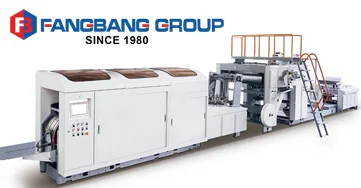
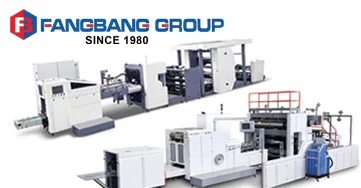
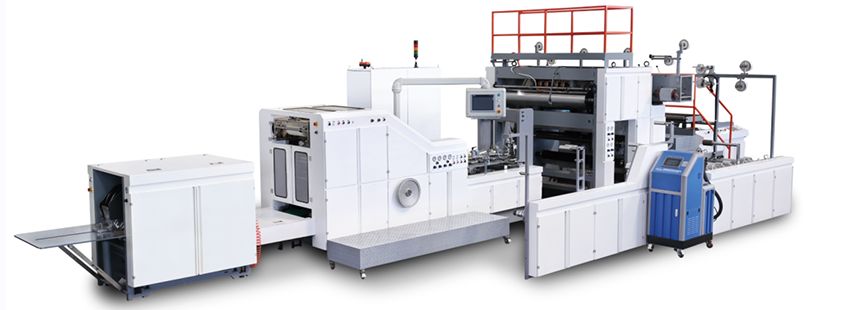
Full-Servo Automatic Square Bottom Paper Bag Making Machine for high-efficiency production of eco-friendly paper bags wi...
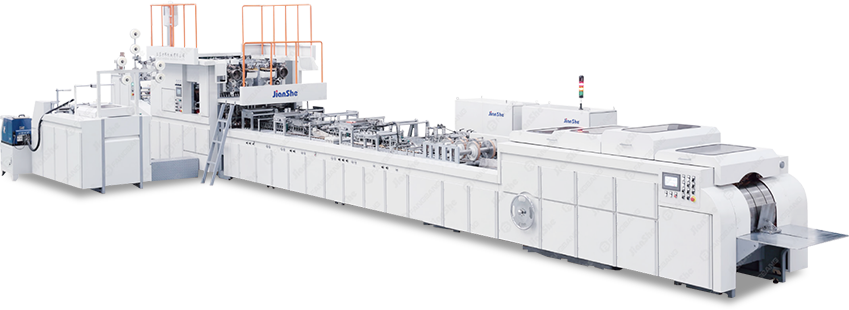
Fully Automatic Sheet-Fed Square Bottom Paper Bag Machine produces paper bags with handles at high speed. Uses sheet pap...
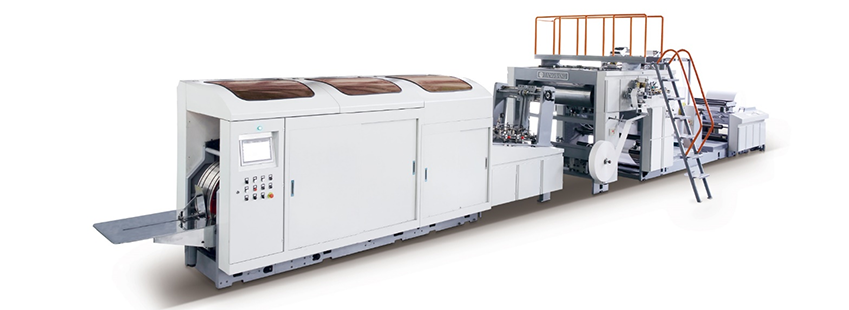
This machine is designed to manufacture square bottom paper bags with flat-rope handles from paper roll,paper patch roll...
GET A QUOTE




 中文
中文 English
 Español
 Français
 Pусский