
When a packaging business decides to upgrade its bag converting line, the pressure to get the right equipment at the “best price” often leads to costly mistakes. According to industry feedback, nearly 40% of buyers end up paying 20–30% more than necessary over three years of operation—not because the machine was expensive, but because they overlooked hidden traps in the purchasing process.
So how do you avoid becoming another case study in overspending? Let’s walk through the most dangerous traps in the paper bag making solution market—and exactly how to steer clear of them.
The upfront price tag is only the beginning. Many suppliers quote a low initial price but compensate through expensive spare parts, high energy consumption, and frequent downtime. A bag converting line that costs $50,000 less upfront might consume twice the electricity and require blade changes every two weeks—erasing any savings within months.
How to avoid it:
Request a detailed TCO breakdown including power rating (kW/h), average consumable lifespan (blades, glue nozzles, rubber rollers), and recommended maintenance intervals. Cross-check these numbers with your production volume. For example, a line running 8 hours/day will have very different TCO sensitivity than one running 24/7.
If you want to see a real-world TCO comparison sheet used by professional buyers, View Total Cost of Ownership Analysis Example – this resource walks through three common production scenarios.
“Up to 300 bags per minute!” sounds impressive. But what does “up to” really mean? In practice, maximum speed is achievable only on ideal paper stock (typically 70–80 gsm virgin kraft) with perfect humidity and zero bag complexity. Once you switch to recycled paper, add a window patch, or use in-line printing, the real-world speed can drop by 40–60%.
A medium-sized bag manufacturer recently shared their experience: they bought a high-speed model only to find that for their standard 40% recycled content paper, the line ran at barely half the promised speed—and jammed twice per shift.
How to avoid it:
Ask for speed data at your specific paper weight and material type. Reputable suppliers will offer on-site trials or provide certified third-party test reports. Also, pay attention to acceleration/deceleration time: a machine that takes 15 minutes to reach top speed is inefficient for short runs.
For a deeper dive into how to match speed specifications with your actual production mix, Understanding Practical Speed-Matching Methods provides a practical checklist.
Not all paper bag equipment handles diverse substrates well. Some budget-friendly lines are optimized exclusively for virgin kraft paper. When you later need to produce bags from recycled paper, SOS paper, or coated materials, you may face constant tearing, poor gluing, or excessive dust that contaminates bearings and sensors.
The trap is especially common in markets where paper prices fluctuate. Buyers choose a machine based on today’s cheap virgin paper, but when prices rise, they’re locked out of using affordable recycled stock.
How to avoid it:
Verify the machine’s material range: minimum and maximum paper weight (gsm), compatibility with recycled content percentage, and whether it can handle wet-strength or biodegradable films. Look for modular designs that allow quick change of glue systems or creasing rollers.

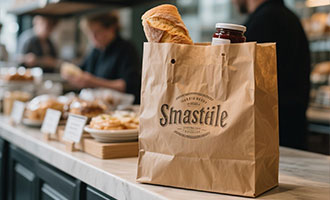
A robust material handling system often separates short-term savings from long-term flexibility. Exploring Modular Material-Compatible Design shows how adjustable roller pressure and servo-driven tension control can expand your substrate options without buying a new line.
This trap doesn’t show up in the initial quote—but it will hit your P&L within the first six months. Some suppliers, especially those offering rock-bottom prices, have no local technicians, no digital troubleshooting manuals, and a spare parts warehouse located 8,000 km away. When a critical sensor fails on Friday afternoon, your line stays down until Tuesday, costing thousands in lost orders.
A survey of converting plant managers (source: Packaging World, 2024) found that unplanned downtime due to parts unavailability costs an average of $1,200 per hour for a mid-speed bag line.
How to avoid it:
Ask for documented response times, local service partners (if any), and a list of stocked spare parts with prices. Check whether the supplier provides remote diagnostics via video or IoT sensors. Also, request three client references that have operated the equipment for at least 12 months—and actually call them.
For a transparent view of what responsive after-sales support should include, View this brand's after-sales support framework outlines a five-point checklist used by European packaging buyers.
Avoiding the four traps above doesn’t mean you need to spend more—it means you need to spend wisely. The ideal paper bag production partner helps you optimize TCO, validate speed with your materials, ensure broad substrate compatibility, and stand behind the equipment with local or remote support.
That’s exactly the approach Fangbang has built into its bag converting systems. Instead of competing on “lowest possible price today,” Fangbang engineers focus on modular architectures that reduce energy consumption by up to 18% (tested under ISO 50001 standards), quick-change glue applicators for different paper types, and a global spare parts logistics network with 96-hour average delivery to major industrial hubs.
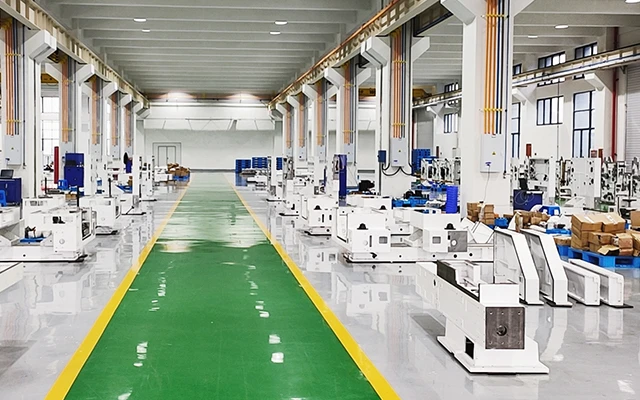
Whether you’re producing standard grocery bags, SOS bags with twisted handles, or block-bottom paper sacks, Fangbang’s solutions are designed to avoid the traps described above. Over 200 packaging plants across Southeast Asia, the Middle East, and South America have switched to Fangbang after experiencing hidden costs with other brands.
Don’t let the fear of a higher initial quote push you into a trap that costs far more over time. Ask the hard questions about TCO, real-world speed, material flexibility, and support. The supplier who answers clearly and transparently—even if their price is not the lowest—is very likely your best long-term partner.
Have you encountered any of these traps in your own purchasing experience? What other hidden costs surprised you? Share your story in the comments below – your insight might help another buyer avoid the same mistake.
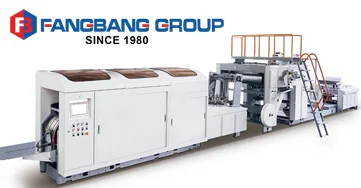
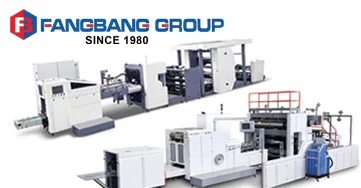
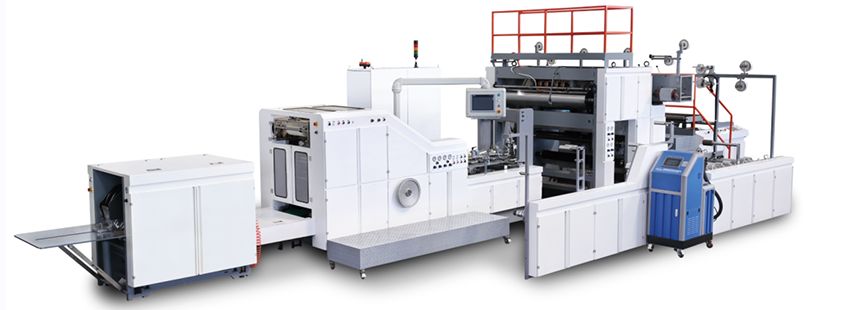
Full-Servo Automatic Square Bottom Paper Bag Making Machine for high-efficiency production of eco-friendly paper bags wi...
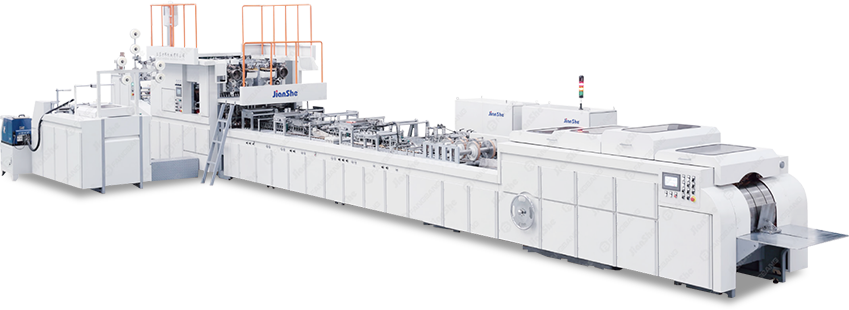
Fully Automatic Sheet-Fed Square Bottom Paper Bag Machine produces paper bags with handles at high speed. Uses sheet pap...
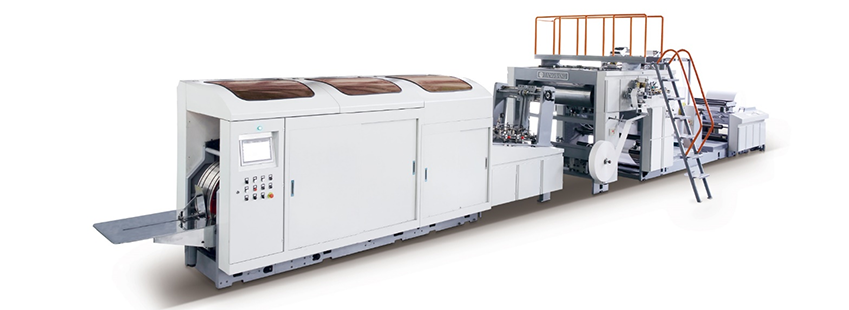
This machine is designed to manufacture square bottom paper bags with flat-rope handles from paper roll,paper patch roll...
GET A QUOTE




 中文
中文 English
 Español
 Français
 Pусский