
Rising utility bills and tightening carbon regulations are pushing packaging manufacturers to rethink daily operational overhead, and one of the most overlooked cost drains lies in outdated packaging production hardware. For mid-sized and large-scale paper packaging factories, upgrading to a well-optimized Paper Bag Machine stands out as the most practical, long-term strategy to trim monthly energy expenses while aligning with global low-carbon manufacturing standards. Many plant managers overlook how outdated mechanical designs waste idle power, generate excess heat loss, and drive up unnecessary electricity consumption, yet targeted equipment upgrades deliver measurable savings without slowing down daily production schedules or sacrificing output quality.
Most legacy packaging equipment still running in factories today was built for output speed alone, with zero consideration for long-term power conservation. continuous-run mechanical components and outdated driving structures keep motors operating at full load even during brief production pauses, shift changes, or material replacement breaks. According to 2025 industry data from the Indian Pulp & Paper Technical Association, conventional paper processing equipment wastes 18% to 22% of total energy through no-load operation and unregulated heat emission each year.
Beyond idle power loss, old sealing and forming systems rely on constant high-temperature heating modules that lack intelligent temperature adjustment. These outdated heating units consume non-stop power throughout working hours, even when production demands drop for small-batch orders or customized product runs. Meanwhile, bulky transmission parts create extra friction, requiring more electricity to maintain stable operation and raising overall workshop energy loads over time.
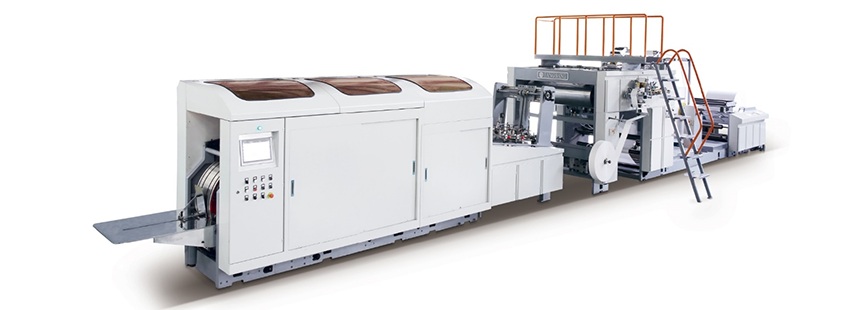
For small and medium packaging enterprises, these scattered energy wastes pile up quickly. Unlike large corporations with sufficient profit margins to absorb high utility costs, smaller producers face thinner profit margins, making unmanaged energy spending a direct threat to business sustainability. This is why more factory owners are now prioritizing low-power packaging upgrades to lock in stable operational costs amid fluctuating energy market prices.
Modern packaging hardware integrates multiple energy-saving innovations that directly address the flaws of legacy machinery, and these technical improvements create tangible cost reductions for every production cycle. The first and most impactful upgrade is the high-efficiency servo drive system, which replaces fixed-speed asynchronous motors. Instead of running at maximum power nonstop, smart servo units adjust output power in real time based on production speed, bag specifications, and material feeding frequency.
This adaptive power control cuts redundant energy use significantly, with field tests showing such drive systems reduce motor-related power consumption by nearly 37% compared to traditional setups. Another critical upgrade comes from intelligent thermal management frameworks. Advanced heat recovery structures capture residual heat from sealing and drying processes, reusing it for preheating raw paper materials and cutting extra heating energy input by roughly 20%.
Automatic power standby logic further optimizes daily energy use. When sensors detect material shortages, manual adjustment pauses, or temporary downtime, the system automatically switches non-core components to low-power standby mode within seconds, eliminating long-duration no-load power waste. Combined with low-friction structural design and self-lubricating parts, these upgrades also reduce mechanical wear, lowering both maintenance costs and indirect energy loss caused by aging equipment failure.
Modern production needs are no longer limited to unified mass orders; most packaging suppliers juggle bulk supermarket carrier bag orders, small-batch food-grade packaging, and customized printed paper sacks for brand clients. This mixed production mode demands flexible equipment that adapts energy output to different task scales, a feature rarely found in old-fashioned fixed-mode machinery.
Fangbang focuses on scenario-driven customized design, tailoring energy-saving settings to match unique workshop scales and product ranges. For small factories focused on retail and catering packaging, compact low-power configurations streamline core functions to avoid overcapacity energy waste. For large industrial plants handling high-volume daily output, modular combined structures balance high efficiency and controlled power consumption across round-the-clock operation.
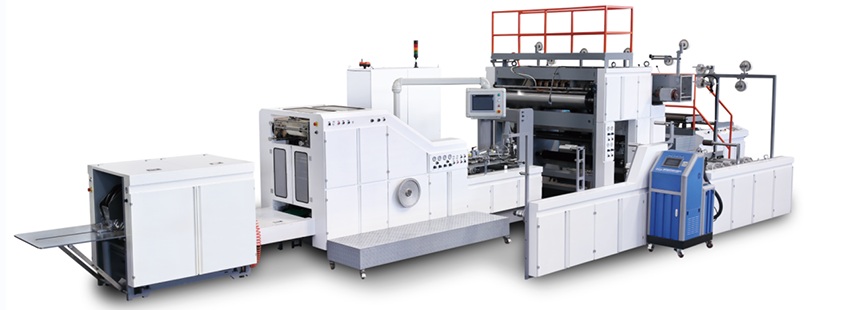
Specialized adjustments for recycled paper processing workflows also deliver extra energy benefits. As more brands shift to eco-friendly raw materials to meet global sustainability policies, recycled paper often requires adjusted tension and forming parameters. Precision intelligent control systems stabilize processing status without extra power consumption, ensuring green material usage does not lead to increased utility costs.
When evaluating long-term operational costs, it is essential to compare modern automated packaging solutions with two common traditional options: semi-manual folding and sealing devices and outdated fully automated units. Semi-manual setups seem to require less upfront investment, but they rely heavily on labor and scattered small power units. Frequent manual intervention disrupts continuous production, extends working hours, and indirectly raises total daily energy and labor costs.
Outdated full-automation models maintain high output speed but suffer from the energy waste issues mentioned earlier. After 3 to 5 years of continuous use, aging circuits and worn transmission parts cause gradually rising power demands, driving up long-term operating expenses. In contrast, the optimized Paper Bag Machine balances moderate initial investment, low daily energy consumption, and long service life.
Its integrated energy-saving hardware and intelligent control system keep power consumption stable for over a decade, with no sharp cost increases from equipment aging. Additionally, precise material cutting and forming technology reduce raw paper waste by around 15%, creating dual savings on both energy and raw material expenses. For businesses pursuing stable long-term development, this balanced cost structure far outperforms short-term low-cost but high-overhead traditional equipment.
Cost reduction is not the only benefit of low-energy packaging equipment; modern eco-friendly machinery also helps manufacturers meet global environmental certification requirements and enhance brand credibility. Multiple regional carbon reduction policies and retail brand supplier standards now require packaging partners to provide clear energy consumption and carbon emission data.
Upgrading to energy-efficient production tools makes it easier to pass eco-audits, green factory assessments, and sustainable supplier reviews, opening more cooperation opportunities with high-end brands and cross-border e-commerce clients. Industry research from IMARC Group notes that enterprises with verified low-carbon production systems gain 28% more long-term cooperation intentions from international buyers, reflecting the commercial value of green transformation beyond cost savings.
Predictive maintenance functions built into new generation equipment also support stable energy efficiency over time. Real-time data monitoring tracks component operation status and energy use fluctuations, reminding operators of regular maintenance to prevent energy efficiency decline caused by minor faults.
Revamping your production line for lower energy spending does not require full-scale factory overhauls or excessive capital investment. Business owners can start with a simple energy consumption audit, recording daily power usage of existing packaging equipment during peak and off-peak production periods to identify major waste points.
Next, prioritize equipment upgrades based on order characteristics and workshop scale. Factories with mixed order demands can choose flexible modular energy-saving models, while large-batch producers benefit more from high-efficiency continuous operation designs. Partnering with professional manufacturers that offer one-stop customization and after-sales support ensures every energy-saving design matches actual production habits, avoiding impractical generic configurations.
Long-term operational stability hinges on combining high-quality hardware with standardized daily operation habits. Simple adjustments such as regular equipment cleaning, reasonable production scheduling, and rational use of standby modes can further amplify the energy-saving effects of modern machinery, locking in continuous cost reductions year after year.
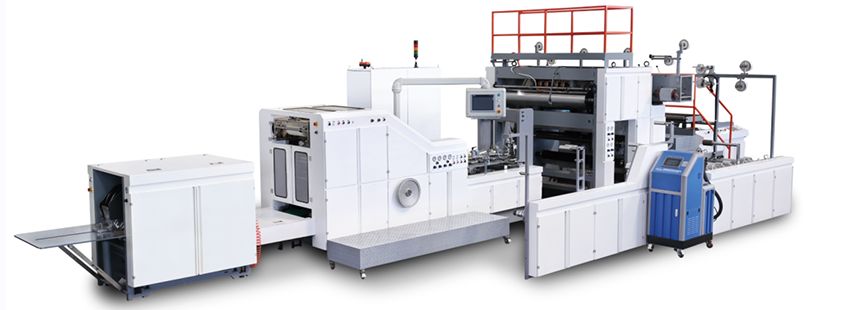
Full-Servo Automatic Square Bottom Paper Bag Making Machine for high-efficiency production of eco-friendly paper bags wi...
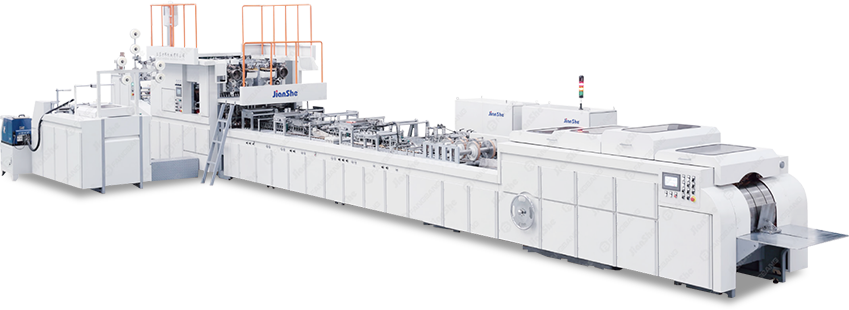
Fully Automatic Sheet-Fed Square Bottom Paper Bag Machine produces paper bags with handles at high speed. Uses sheet pap...
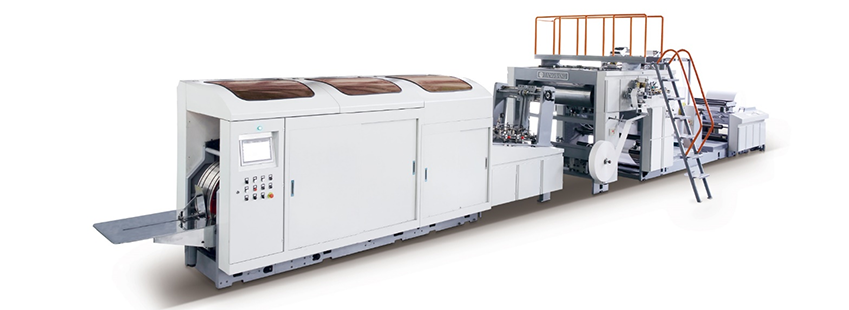
This machine is designed to manufacture square bottom paper bags with flat-rope handles from paper roll,paper patch roll...
GET A QUOTE




 中文
中文 English
 Español
 Français
 Pусский