
A surgical kit manufacturer receives a batch recall notice. The cause: a sealing parameter drifted by two degrees Celsius during production of the outer packaging — barely outside the validated window. No visual defect was detectable, but microbial barrier integrity was compromised. The recall cost exceeds $2 million.
This scenario underscores a fundamental reality in healthcare packaging: medical packaging paper bags are not ordinary bags. They serve as sterile barrier systems — the last line of defense between a sterile device and microbial contamination until the moment of use. Unlike shopping bags or food packaging, medical paper bags must withstand sterilization, maintain integrity through transport and aging, and enable aseptic presentation without shedding fibers or delaminating.
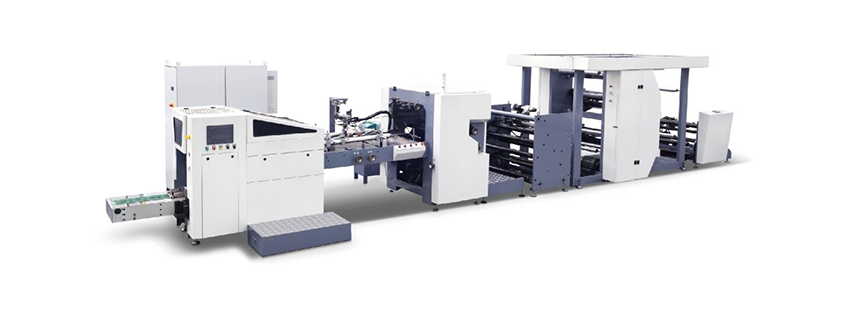
This guide explains the technical requirements for medical packaging paper and paper bags, from material specifications and sterilization compatibility to validation frameworks — helping packaging engineers and medical device manufacturers understand what makes a sterile barrier system compliant and reliable.
Medical packaging paper is engineered for a specific purpose: maintaining sterility while allowing sterilant penetration. This dual requirement drives every aspect of its design and production.
Medical paper grades used for sterile barrier systems must meet rigorous specifications defined in standards such as EN 868-3:2025, which specifies test methods and values for paper used in the manufacture of single-use paper bags (specified in EN 868‑4) and pouches and reels (specified in EN 868‑5) for terminally sterilized medical devices.
| Specification | Why It Matters |
|---|---|
| Porosity / Air permeability | Allows sterilant (steam, EO gas) to penetrate while blocking microbes. Measured per EN 868-3. |
| Tensile and tear strength | Prevents rupture during handling, transport, and sterilization cycles. |
| Fiber purity (cellulose content) | Minimizes loose fiber shedding that could contaminate the sterile field upon opening. |
| pH and fluorescence | Ensures no chemical residues that could react with medical devices or sterilants. |
| Water resistance | Maintains structural integrity during steam sterilization without delamination. |
| Microbial barrier performance | The fundamental requirement — validated to ISO 11607-1 standards. |
Medical packaging paper is typically produced from high-purity cellulose fibers, engineered to deliver controlled porosity. Fiber orientation, refining level, and calendering determine its air permeability and microbial barrier performance. Because it is fiber-based, paper naturally allows sterilant penetration while maintaining a physical barrier once sealed — a property essential for steam and ethylene oxide (EO) sterilization methods.
Most medical packaging takes the form of a paper-plastic pouch or bag: one side is medical-grade paper, the other is a transparent plastic film (typically polyester or polypropylene laminate). The lamination process uses medical-grade adhesives to create a durable, leak-proof barrier while ensuring that the lamination does not compromise material sterility. This construction allows healthcare workers to visually inspect the device before opening while maintaining the paper side’s sterilant permeability.
For practical insights into how paper bag making equipment handles specialty materials including medical-grade paper requirements, review the Quality FAQ page outlining Fangbang’s Paper Bag Machines for Medical Packaging applications — which notes that for different types of paper bags, such as medical paper bags, the equipment can accurately handle special materials such as medical dialysis paper to ensure key properties including bacterial resistance, air permeability and bacterial barrier.
Different sterilization modalities impose different demands on packaging materials. Medical packaging paper performs particularly well in certain methods but may show degradation in others.
| Sterilization Method | Compatibility with Paper | Key Considerations |
|---|---|---|
| Steam (autoclave) | Excellent | Paper tolerates moisture and heat when properly specified. Requires water-resistant grades. |
| Ethylene oxide (EO) | Excellent | Paper’s porosity allows gas penetration; EO is a standard method for paper-based sterile packaging. |
| Gamma radiation | Limited/conditional | Cellulose can show strength degradation after aggressive gamma irradiation; it requires validation and potentially reinforced paper grades. |
| E-beam radiation | Conditional | Similar to gamma, lower doses may be acceptable with validated paper grades. |
| Dry heat | Good | Suitable for applications requiring dry heat; paper maintains integrity at elevated temperatures. |
The compatibility landscape is more nuanced. According to AAMI TIR17:2024 — a technical information report providing guidance for healthcare product manufacturers in the qualification of polymeric materials, ceramics, and metals for use in healthcare products — materials are evaluated against up to ten different sterilization modalities: radiation (gamma, electron beam, or X‑ray); ethylene oxide; moist heat (steam); dry heat; vaporized hydrogen peroxide; nitrogen dioxide; peracetic acid vapor; liquid peracetic acid; hydrogen peroxide‑ozone; and chlorine dioxide.
For medical packaging paper, the most relevant methods remain steam and EO. However, the AAMI TIR17 framework emphasizes that material compatibility must be assessed for the specific sterilization process conditions — not just the modality itself. Factors such as cycle duration, temperature, and cumulative exposure all affect paper integrity.
For gamma‑sterilized applications, new reinforced paper grades are emerging. TekniPlex Healthcare’s HPC74 Series features the highest puncture and tear strength of all TekniPlex Healthcare reinforced papers to date, as well as outstanding porosity levels. This enables paper‑based packaging to withstand more demanding sterilization environments.
Medical packaging is among the most strictly regulated packaging sectors globally. Two major standards define the requirements for terminally sterilized medical device packaging.
ISO 11607 is the principal guidance document for validating terminally sterilized medical device packaging systems. The FDA recognizes it as a consensus standard — according to the FDA Recognized Consensus Standards database, ISO 11607-1 covers requirements for materials, sterile barrier systems, and packaging systems. Most global markets defer to it. The standard has two parts:
Part 1 defines requirements and test methods for materials, sterile barrier systems, and complete packaging systems. It sets the performance criteria: strength, integrity, microbial barrier, stability over shelf life, and aseptic presentation after sterilization.
Part 2 focuses on validation of forming, sealing, and assembly processes — requiring IQ (Installation Qualification), OQ (Operational Qualification), and PQ (Production Qualification) documentation.
Together, Parts 1 and 2 create a complete validation story: define the requirements, validate the process, and show objective evidence that every production lot meets those requirements.
The EN 868 series provides material-specific requirements and test methods for packaging materials used in sterile barrier systems. EN 868-3:2025 specifically covers paper for use in the manufacture of single-use paper bags (specified in EN 868‑4) and pouches and reels (specified in EN 868‑5). It addresses porosity measurement, tear strength, tensile strength, air permeability, water resistance, and fluorescence testing.
For manufacturers producing medical paper bags, compliance with EN 868-3 is essential for demonstrating that the paper substrate itself meets material performance requirements before the bag is even formed and sealed.
To understand how Customized Paper Packaging Machinery Solutions for regulated industries integrate material handling, precision sealing, and quality control systems, explore Fangbang’s approach to packaging machinery across diverse applications.

Manufacturing medical paper bags involves a series of controlled steps, each requiring validation. Understanding these steps helps packaging engineers evaluate production capabilities and identify potential failure points.
High-quality medical-grade paper and plastic films are sourced and inspected for suitability in medical packaging. Raw materials must meet stringent sterility and cleanliness standards to prevent contamination during production. Paper must be certified to EN 868-3 or equivalent standards.
Quality implication: A change in paper supplier or grade triggers re-validation under ISO 11607-2.
Necessary information — product details, expiration dates, lot numbers, manufacturer identification — is printed onto the paper or plastic film using safe, approved inks. Printing is conducted in a controlled environment to prevent contamination and maintain sterility.
Quality implication: Ink must not migrate or interfere with seal integrity. Printing registration affects pouch alignment and seal consistency.
Paper and plastic film are bonded using a medical-grade adhesive to create a durable, leak-proof barrier. Special care ensures the lamination process does not compromise the sterility of materials.
Quality implication: Delamination is a critical failure mode. Peel strength must be validated and monitored continuously.
The laminated material is precisely cut into desired shapes and sizes. Cut pieces are formed into bags through heat-sealing processes, which create strong and reliable seals while further sealing off potential contamination pathways.
Quality implication: Heat seal parameters (temperature, pressure, dwell time) must be established within a defined process window and monitored in real time.
The formed bags undergo rigorous sterilization processes — ethylene oxide (EO) gas, gamma radiation, or steam — to eliminate any microorganisms present. Sterilization processes must be validated to ensure the required sterility assurance level (SAL) is achieved.
Quality implication: Paper must maintain microbial barrier properties after sterilization. Post-sterilization integrity testing is required.
Each batch undergoes rigorous quality control tests: seal integrity (dye leak testing, bubble leak), seal strength (peel testing), visual inspection, and accelerated aging for shelf-life validation. Standard test methods include ASTM F1929 for dye leak and ASTM F88 for peel strength.
Quality implication: Non-conforming batches are segregated and disposed of to maintain product integrity.
For medical packaging paper bags, the seal is the sterile barrier. Poor sealing parameters — even within acceptable ranges — can compromise microbial protection without visible defects.
ISO 11607-2 requires three sequential validation phases:
| Phase | Question Answered | Key Activities |
|---|---|---|
| IQ (Installation Qualification) | Is the system set up correctly? | Verify equipment configuration, confirm environmental conditions, check utilities and calibration. |
| OQ (Operational Qualification) | Where does the process work reliably? | Seal at minimum and maximum parameters; test seals for strength and integrity. |
| PQ (Production Qualification) | Does it hold up on the production floor? | Seal three production lots at nominal parameters with real product; repeat full integrity testing. |
The goal is to define a process window — a range of temperature, pressure, and time (or band speed) that consistently produces acceptable seals on the chosen paper-plastic combination. Once validated, ongoing monitoring ensures the process stays within that window during routine production, not just in a one-off test.
Medical packaging paper and medical-grade Tyvek are the two most widely used materials for sterile barrier systems. Each has distinct advantages.
| Factor | Medical Paper | Medical-grade Tyvek |
|---|---|---|
| Best sterilization methods | Steam, EO | EO, gamma, e-beam |
| Steam sterilization suitability | Excellent | Not recommended (heat distortion) |
| Gamma radiation stability | Limited (cellulose degradation) | Excellent (HDPE unaffected) |
| Tear/puncture resistance | Moderate | Exceptional |
| Microbial barrier | Good when dry and intact | Excellent even in demanding conditions |
| Sensitivity to moisture/humidity | Can degrade if excessively damp | Not moisture-sensitive |
| Aseptic presentation upon opening | Low fiber shed when properly made | Minimal fiber shed |
| Cost | Lower | Higher |
In practice, the selection often follows this rule: Steam → paper is usually the safer choice. Radiation → Tyvek offers better stability. EO → both can work, depending on package design.
The choice also affects packaging line design. Paper requires cleaner environmental control and careful humidity management in the production area. Tyvek allows more tolerance for handling variations but demands precise sealing temperature control to avoid melt-through.
A medical device contract manufacturer produces disposable surgical kits containing scalpels, forceps, and drapes. Each component is heat-sealed into a paper-plastic pouch sized to the specific kit configuration. The paper side faces outward, allowing EO gas penetration; the transparent film side allows visual inspection before opening.
Critical requirements: Consistent seal integrity across different kit sizes; paper that does not delaminate from the plastic film under EO sterilization cycles; validated shelf life of 3–5 years supported by accelerated aging data.
High-volume production of individually packaged syringes and catheters uses pre-formed paper-plastic pouches. The packaging line runs at high speed, with automated filling, sealing, and labeling.
Critical requirements: High-speed sealing with real-time process monitoring; paper with consistent porosity to ensure EO gas reaches all device surfaces; peel-open performance that allows aseptic presentation without tearing the paper and shedding fibers into the sterile field.
For manufacturers looking to understand how Fangbang’s industry-specific production solutions can be configured for specialty applications, including medical‑grade production requirements — such as clean-environment compatibility, precision heat sealing, and consistent material handling — Discover Fangbang's paper bag machine engineered for multiple packaging market applications.
The global medical packaging market, valued at USD 52.89 billion in 2024, is projected to grow at a CAGR of 5.36% to reach USD 72.35 billion by 2030. Within this, paper-based medical packaging is a substantial and growing segment, driven by several factors:
Regulatory pressure to reduce plastic waste: Healthcare systems increasingly demand sustainable alternatives. Initiatives to replace single-use plastics with biodegradable glassine or kraft papers underscore the industry’s commitment to circular economy principles.
Growth in single-use medical devices: The shift from reusable to disposable surgical instruments and consumables increases demand for sterile packaging.
Aging global population: According to WHO data, the number of people aged 60 years and older — who require more medical procedures and devices — was 1 billion in 2020 and is projected to reach 1.4 billion by 2030 and 2.1 billion by 2050, driving demand for medical devices and their packaging.
Advancements in reinforced paper grades: New product development, such as TekniPlex’s HPC74 Series featuring the highest puncture and tear strength of all TekniPlex Healthcare reinforced papers to date, is addressing historical limitations of paper in gamma sterilization, expanding the addressable market for paper-based sterile barriers.
Understanding the technical requirements for medical packaging paper bags — material specifications, sterilization compatibility, ISO 11607 validation, and sealing process control — is the first step. The next logical step is assessing whether your existing or planned paper bag production line can achieve the precision, consistency, and controlled environment operation required for medical-grade manufacturing.
Key production questions to answer include:
Can your paper bag machine maintain heat seal parameters within a narrow process window across an entire production run?
Does the line support clean‑environment compatible design (enclosed moving parts, dust extraction, non‑shedding components)?
Is the forming and sealing equipment capable of handling the tight tolerances required for paper-plastic laminates?
Can the production line provide the documentation trail required for ISO 11607-2 validation (IQ/OQ/PQ)?
Paper Bag Machine Automation Levels: Manual, Semi-Automatic, or Full-Servo for Regulated Industries?
Heat Sealing Validation for Sterile Barrier Systems: IQ/OQ/PQ Explained
EN 868-3:2025 — Paper for Medical Packaging Bags: What Manufacturers Need to Know
Clean Production for Medical Packaging: Environmental Control and Contamination Prevention
Paper vs Tyvek vs Film: Material Selection for Sterile Barrier Systems
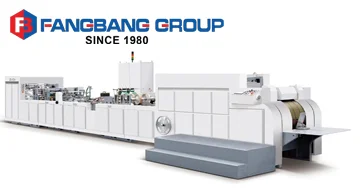
Full-Servo Automatic Square Bottom Paper Bag Making Machine for high-efficiency production of eco-friendly paper bags wi...
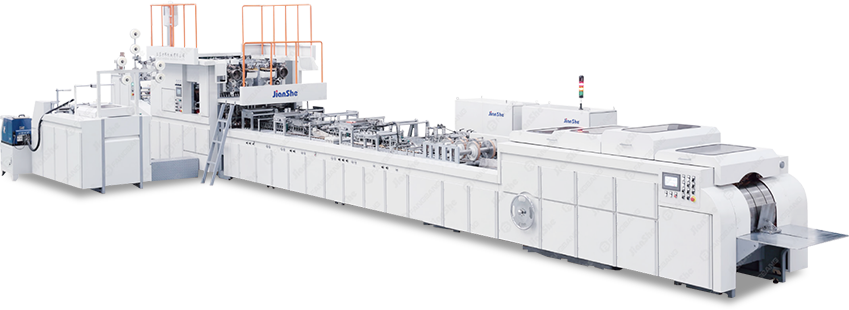
Fully Automatic Sheet-Fed Square Bottom Paper Bag Machine produces paper bags with handles at high speed. Uses sheet pap...
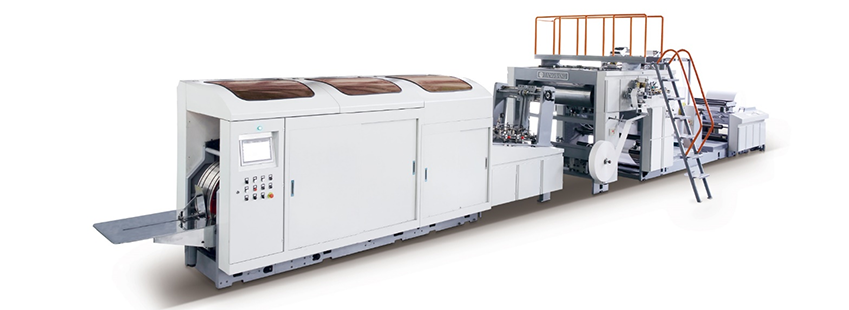
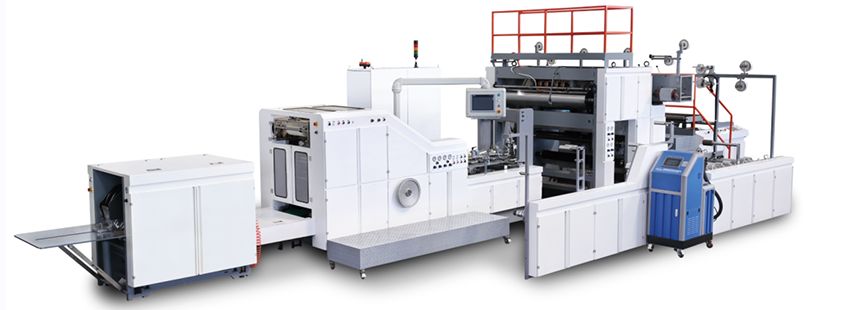
This machine is designed to manufacture square bottom paper bags with flat-rope handles from paper roll,paper patch roll...
GET A QUOTE




 中文
中文 English
 Español
 Français
 Pусский