
A supermarket chain requests 200,000 sturdy shopping bags with twisted paper handles for weekly deliveries. A bakery needs 50,000 grease-resistant small bags with a window cutout for croissants. A gift wrap supplier orders 30,000 premium bags with ribbon handles and metallic foil stamping — but only once per quarter.
These three scenarios come from real packaging converters. Each requires a different paper bag machine configuration. Selecting the wrong setup means either overpaying for features you rarely use or being unable to accept profitable orders when they arrive.
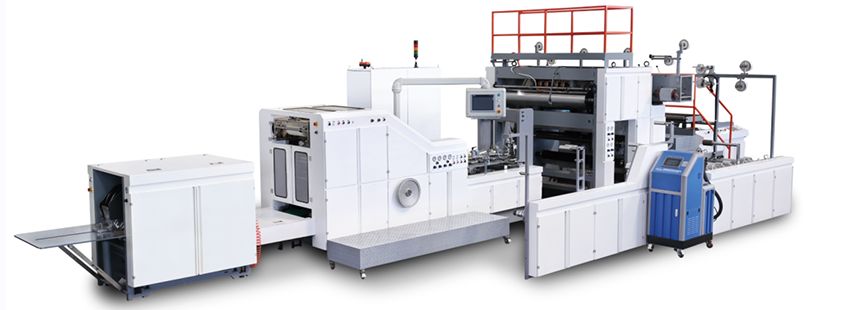
This guide breaks down the specific requirements for shopping bags, food bags, and gift bags — and helps you map your target market to the right machine capabilities.
The same square bottom paper bag machine can produce vastly different outputs. But the configuration choices — from paper feeding method to handle attachment to printing integration — determine which applications become profitable.
| Requirement | Shopping Bags | Food Bags | Gift Bags |
|---|---|---|---|
| Primary material | Kraft paper (80–160 g/m²) | Food-grade, greaseproof, coated paper | Specialty paper, colored kraft, textured stock |
| Typical volume per SKU | 50,000 – 500,000 | 20,000 – 100,000 | 5,000 – 30,000 |
| Handle type | Flat rope or round rope (reinforced) | Often no handle (carry by top fold) | Ribbon, braided, decorative cord |
| Closure method | Open top | Folded closure, adhesive strip | Tuck flap, tab, or decorative seal |
| Printing requirement | 1–2 color brand logo | Food-safe ink, ingredient/expiry labeling | Multi-color, high-resolution, metallic effects |
| Special features | High burst strength at bottom fold | Window cutout, breathable micro-perforation | Lamination, embossing, foil stamping |
| Compliance | General packaging | Food contact safety (FDA/EU equivalent) | None specific |
According to Statista’s 2023 packaging market report, the global paper bag market is expected to reach $8.9 billion by 2027, with food service and retail applications driving the majority of growth. Understanding application-specific requirements helps converters position their equipment investment where demand is rising.
Shopping bags represent the largest volume segment. Supermarkets, apparel retailers, and department stores order millions of units annually. The margin per bag is thin, so speed and material efficiency drive profitability.
Critical machine capabilities for shopping bags:
Roll-fed configuration for continuous high-speed operation (target 200+ bags/minute)
Integrated handle patching with reinforced attachment — handles must survive heavy loads (10–15kg typical)
Square bottom forming with strong gusset sealing — bottom burst strength directly impacts brand reputation
1–2 color flexo printing inline for brand logos and recycling symbols
What this means for you: If shopping bags are your primary market, prioritize a high-speed roll-fed machine with handle patching. The ability to change between flat rope and round rope handles — without changing forming templates — reduces downtime between different retail customer orders. Look for servo-driven adjustable templates that recall size presets from a control panel, cutting changeover from 30 minutes to under 5 minutes.
For a detailed look at how automation levels affect production speed and changeover efficiency, review this guide to paper bag machine configurations for high-volume retail production.
Food bags include bakery bags, fast-food takeout bags, coffee bean bags, and deli counter packaging. The volume per SKU is moderate, but material compatibility and food safety add complexity.
Critical machine capabilities for food bags:
Material versatility — must run greaseproof paper, coated papers, and thin (55–80 g/m²) food-grade stock without tearing
Precision folding and gluing — food bags often require tight seals to prevent leakage
Optional window cutout unit — for bakery and deli products where visibility drives sales
Register control for pre-printed rolls — many food bag orders arrive with pre-printed branding; the machine must maintain registration through forming and folding
Clean production design — enclosed moving parts, dust extraction ports for food-grade environments
What this means for you: Food bag production is less about raw speed and more about consistent quality at moderate speeds (120–180 bags/minute). A machine that runs thin, sensitive papers without wrinkling or tearing is non-negotiable. If window cutouts or breathable perforations are common in your orders, choose a modular machine that accepts these add-on units without rebuilding the core line.
To understand how modular designs accommodate food bag specialty features while maintaining reliability, explore complete food packaging production solutions for bakeries and deli suppliers.
Gift bags serve boutiques, department store seasonal promotions, and corporate gift suppliers. Order volumes are low, but decoration quality and material variety command premium pricing.
Critical machine capabilities for gift bags:
Sheet-fed configuration recommended — gift bags often use pre-cut specialty sheets (metallic, textured, colored stock) that cannot be roll-fed
High-resolution print capability — if printing inline, need flexo or gravure-quality registration
Decorative handle support — ribbon, braided cord, or specialty rope handles
Tuck flap or tab closure forming — adds premium feel compared to open-top shopping bags
Lamination or embossing compatibility — for high-end gift and luxury packaging
What this means for you: Gift bag converters rarely run the same size or material for more than a few hours. Quick changeover is more valuable than top speed. A sheet-fed machine with memory presets for bag height (120–500mm range typical) and bottom fold depth allows one operator to run five different gift bag styles in a single shift. If you primarily serve gift and specialty markets, invest in configuration flexibility over maximum output.
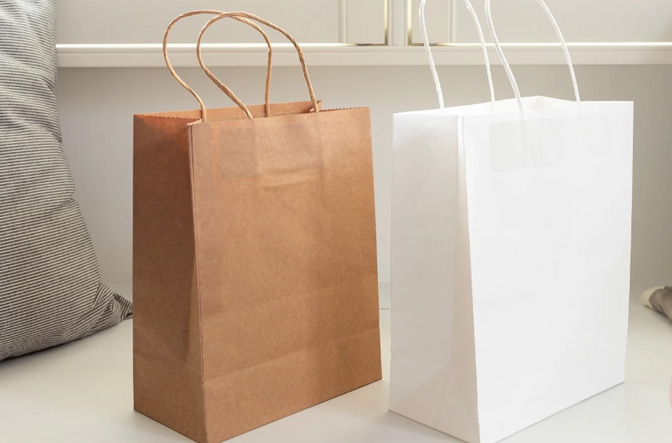
Use this checklist when evaluating paper bag machines for shopping, food, or gift bag production:
100,000 → Roll-fed, high-speed configuration
20,000 – 100,000 → Roll-fed or sheet-fed with moderate speed (150–200 bags/min)
< 20,000 → Sheet-fed with fast changeover priority
55–80 g/m² (thin, food-safe) → Need precision tension control to avoid tearing
80–120 g/m² (standard kraft) → Most machines handle this range well
120–160+ g/m² (heavy-duty shopping) → Check maximum paper thickness specification
Yes → Integrated handle patching unit is essential
No (food/gift mix) → Modular handle unit (engage when needed, bypass when not)
1–2 colors, simple logos → Stack-type flexo unit sufficient
3–6 colors, registered graphics → Unit-type flexo with drying between stations
No printing → Use pre-printed rolls or offline printing
Yes → Ensure machine accepts modular add-on units
No → Fixed configuration reduces cost and maintenance
Food contact → Need clean design, food-grade material paths, dust control
General retail → Standard industrial design acceptable
For answers to frequently asked questions about material compatibility, size adjustment flexibility, and machine noise levels across different bag types, see this practical Q&A on paper bag machine capabilities.
A packaging plant in Vietnam produces 3 million shopping bags monthly for three retail chains. Bags range from 270mm to 600mm in length. All orders require flat rope handles and 1-color logo printing.
Selected configuration: Roll-fed machine with servo-adjustable forming template (270–770mm range), integrated flat rope handle patching, 1-color stack flexo unit, target speed 220 bags/minute.
Key decision driver: Volume and handle consistency made roll-fed with integrated handle unit the clear choice. Sheet-fed would have been too slow.
A European converter produces small-batch bakery bags with window cutouts and grease-resistant liners. Orders range from 10,000 to 50,000 units per SKU.
Selected configuration: Sheet-fed machine with window cutout module, precision tension control for thin (70g/m²) coated paper, moderate speed (120 bags/minute).
Key decision driver: Material sensitivity and window feature required sheet-fed precision. Roll-fed could not handle the short runs and frequent stock changes.
Once you have identified your primary market — high-volume shopping bags, precision food bags, or flexible gift bag production — comparing specific machine specifications becomes the logical next step. Each application profile prioritizes different features: speed and handling integration for retail, material handling and specialty modules for food, or changeover flexibility for gift bags.
Understanding how actual machine parameters (paper weight range, handle type compatibility, modular add-on support) align with your order history will determine long-term production profitability.
Manual vs Semi-Automatic vs Full-Servo Paper Bag Machines: Which Fits Your Order Mix?
How to Calculate Cost Per Bag for Different Paper Types and Handle Configurations
Inline Flexo Printing for Paper Bags: When Does Integration Pay Off?
Valve Bag vs Square Bottom Paper Bag: Production Line Differences
Paper Bag Machine Sizing Guide: Matching Output to Your Sales Forecast
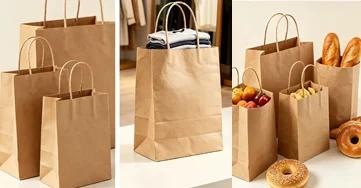
Full-Servo Automatic Square Bottom Paper Bag Making Machine for high-efficiency production of eco-friendly paper bags wi...
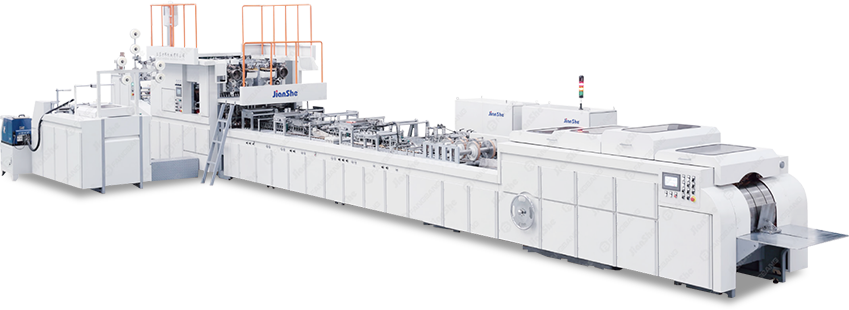
Fully Automatic Sheet-Fed Square Bottom Paper Bag Machine produces paper bags with handles at high speed. Uses sheet pap...
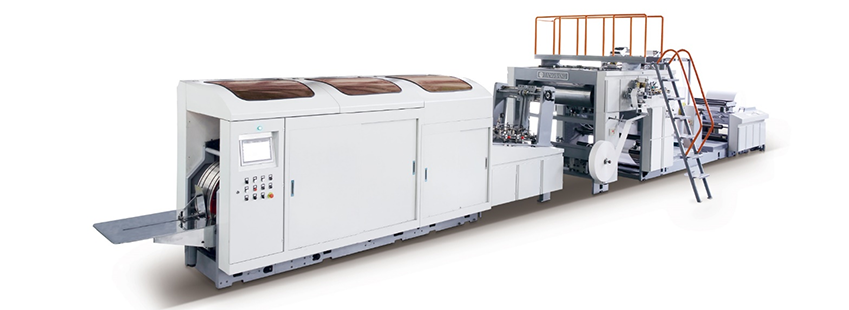
This machine is designed to manufacture square bottom paper bags with flat-rope handles from paper roll,paper patch roll...
GET A QUOTE




 中文
中文 English
 Español
 Français
 Pусский